The Ultimate Guide to Choosing the Right Speaker System
Introduction to Audio Systems
The world of audio systems has seen a remarkable evolution over the decades, with a resurgence of interest in vinyl records and analog sound. This renewed appreciation for rich, warm audio contrasts sharply with the digital formats that dominate today. As music and gaming enthusiasts seek immersive experiences, sound quality has become paramount. The diversity of speaker options available today—from compact Bluetooth speakers to elaborate home theater systems—accommodates various preferences and listening environments. Personal preference plays a crucial role in audio experiences, as what sounds best to one person may not resonate with another. This guide will explore essential factors to consider when selecting the right speaker system for your needs.
Understanding Speaker Types
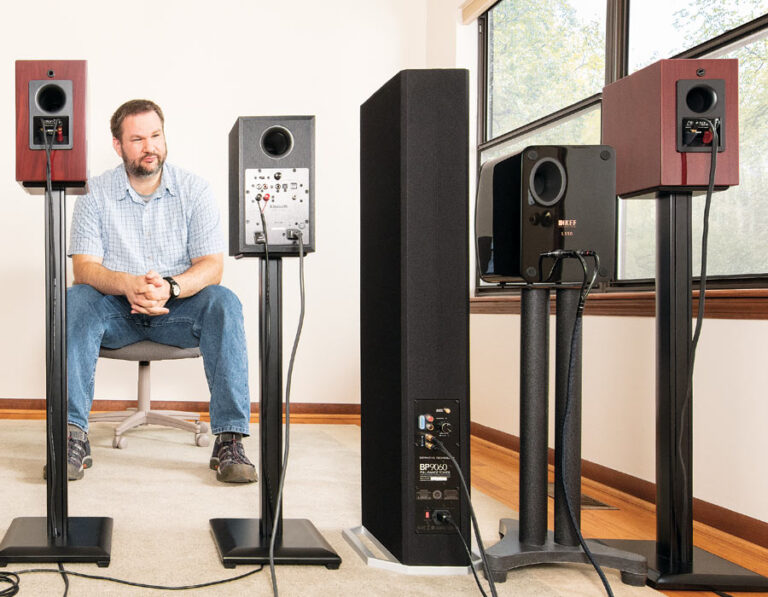
When choosing a speaker system, it’s vital to understand the different types available. Traditional speakers, often found in home audio setups, differ significantly from modern multimedia systems designed for versatility and portability. Key components include woofers, tweeters, and subwoofers, each serving a specific purpose in audio reproduction. Woofers handle lower frequencies, while tweeters manage higher frequencies. Subwoofers are essential for deep bass, enhancing the overall audio experience. Active speakers contain built-in amplifiers, leading to better sound quality and convenience, while passive speakers require separate amplification. Studio monitors, designed for critical listening, provide an accurate representation of sound, making them ideal for musicians and audio engineers. Additionally, speaker design—such as enclosure type and materials—plays a significant role in sound performance, influencing the overall audio experience.
Factors to Consider When Choosing Speakers
Selecting the right speakers involves several key factors. Size and portability are crucial; larger speakers may deliver better sound but can be cumbersome. Power ratings, particularly RMS (Root Mean Square), help gauge sound quality and volume capabilities. Connectivity options, including HDMI, Bluetooth, and auxiliary ports, are essential for compatibility with your existing audio setup. Auditioning speakers is highly recommended before purchase. Listening to different models in person allows you to compare sound quality and determine which speakers align best with your preferences. Remember that personal taste plays a significant role; what sounds good to one person may not appeal to another. Taking the time to evaluate these factors ensures you make a well-informed decision.
The Role of Subwoofers
Subwoofers play a critical role in enhancing audio experiences, particularly in gaming and movie watching. By reproducing low-frequency sounds, subwoofers add depth and immersion, making explosions and music more impactful. There are various types of subwoofers, including standalone units and those integrated into speaker systems. Each type has its advantages, depending on the environment and intended use. Crossover settings are important for optimal performance, as they determine the frequency range allocated to the subwoofer. Proper integration of a subwoofer with existing speaker systems can significantly enhance audio quality. When setting up a home theater or gaming station, consider the subwoofer’s placement, as it can affect sound distribution and overall experience.
Budgeting for Your Audio Setup
Setting a realistic budget is crucial when investing in audio equipment. Entry-level options may suffice for casual listeners, while audiophiles might prefer high-end systems that offer superior sound quality. Investing in long-lasting, quality products can yield significant returns in enjoyment and durability. Researching deals on used equipment can uncover excellent opportunities for budget-conscious buyers. Many audiophiles upgrade their systems, making it possible to find high-quality gear at a fraction of the retail price. Additionally, consider the potential for upgrading components in the future; selecting modular systems can provide flexibility as your audio needs evolve.
Recommendations for Gaming and Music
When choosing speakers, it’s essential to consider your primary use case—whether for gaming or music. Different brands excel in various areas; for instance, JBL is renowned for its portable speakers, while Logitech is favored for gaming audio solutions. Specific model recommendations vary across budgets, from affordable options to premium models that deliver exceptional sound quality. In gaming setups, balancing sound effects and music clarity is crucial. Some speakers prioritize immersive soundscapes, while others focus more on music reproduction. Evaluate your listening habits and preferences to find the right balance, ensuring that your audio setup enhances your gaming or musical experience.
Creating Your Ideal Listening Environment
The acoustics of your room significantly impact sound quality. Hard surfaces can create echoes, while soft furnishings can absorb sound, altering the listening experience. To maximize audio performance, consider speaker placement carefully. Positioning speakers at ear level and away from corners can improve sound clarity and balance. Minimizing interference from other electronic devices is also vital for optimal audio performance. Additionally, enhancing the aesthetics of your audio setup can create a more inviting environment. Experiment with different configurations and placements to discover what works best in your space, as small adjustments can lead to significant improvements.
Conclusion: Personalizing Your Sound Experience
Personal preference is at the heart of choosing the right audio system. The journey to finding the perfect sound setup can be rewarding, allowing you to tailor your experience to your unique tastes. Exploring different audio options, technologies, and brands enriches your understanding of what resonates with you. Engaging with the audio community, whether through forums or local events, can provide valuable insights and recommendations. Share your experiences and discoveries with others, as this exchange of knowledge can enhance everyone’s audio journey. Dive into the world of audio, and enjoy the process of finding the sound system that truly speaks to you.
Additional Resources
To further your exploration of audio systems, consider visiting audiophile forums and review sites that provide insights and user experiences. Video tutorials on setting up audio systems can offer practical guidance for both beginners and seasoned enthusiasts. Additionally, explore further reading materials on audio equipment and technology to deepen your knowledge. Participating in local audio events or meetups can connect you with like-minded individuals who share your passion. Online communities are also excellent resources for exchanging tips and experiences, enabling you to stay informed about the latest trends and innovations in audio technology.