Oculus Quest 2 vs. PSVR: A Comprehensive Comparison
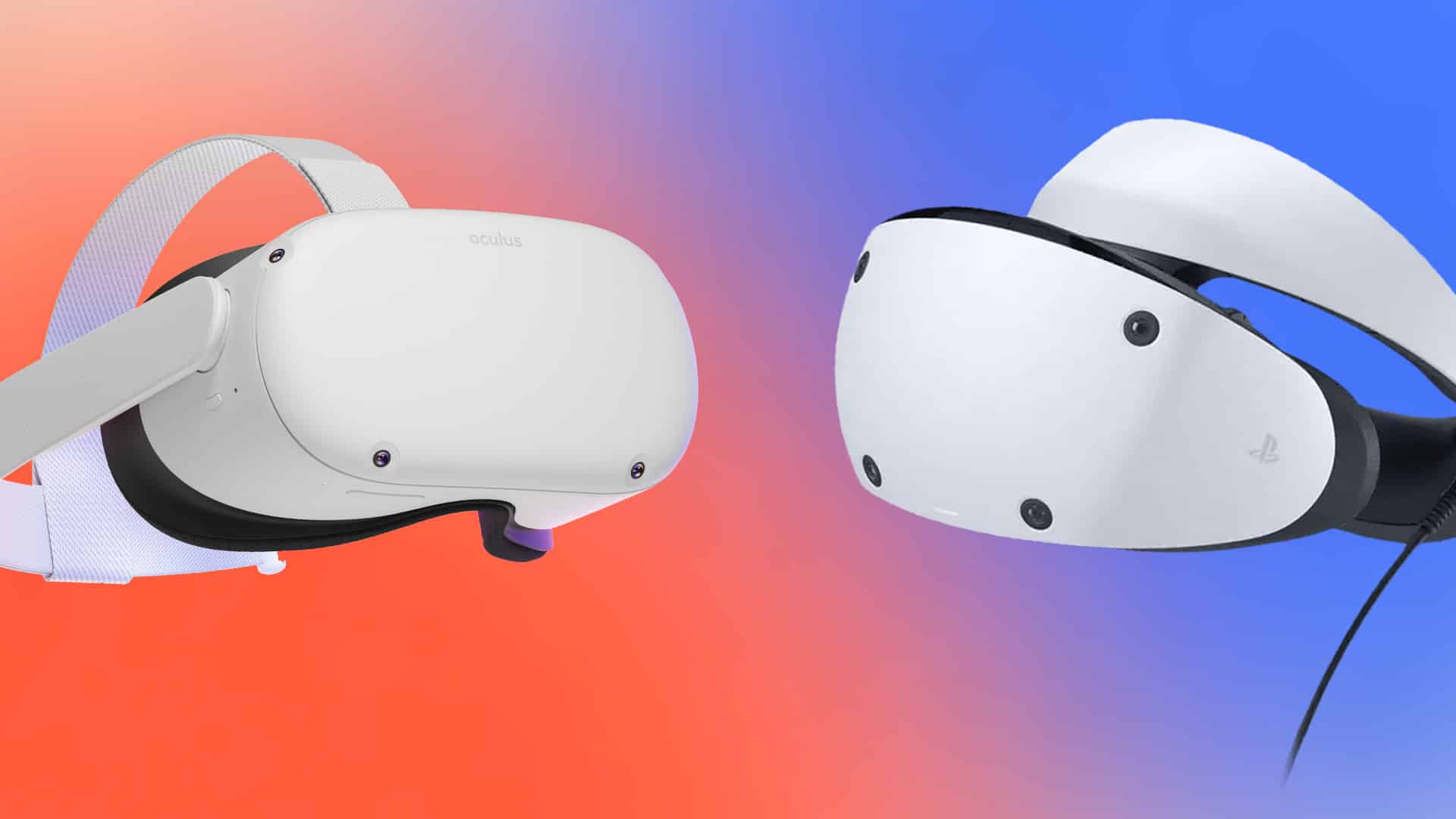
The rise of virtual reality (VR) has brought various headsets to the forefront, notably the Oculus Quest 2 and PlayStation VR (PSVR). This post explores their features, advantages, and drawbacks to help users make an informed decision based on their needs.
Wireless vs. Wired Experience
One of the most significant differences between the Oculus Quest 2 and the PSVR is the type of connection each headset utilizes. The Oculus Quest 2 operates as a standalone device with a completely wireless experience, offering users unparalleled freedom of movement. This design enhances immersion, allowing players to physically move around without being tethered by cables. This wireless capability is particularly advantageous in VR experiences that require more dynamic movements, such as sports or action games. In contrast, the PSVR is a wired headset, which means that users are connected directly to the PlayStation console via cables. While this can restrict mobility, it also provides a more stable connection, ensuring that the graphic performance remains consistently high. For users who prioritize visual fidelity and a seamless connection, the wired experience may be more appealing. Ultimately, the choice between the freedom of wireless gameplay and the stability of a wired connection will depend on individual preferences and gaming habits.
Game Library and Content
When it comes to the game library, the Oculus Quest 2 boasts a larger and more diverse selection of titles. With a growing catalog of both casual and hardcore games, the Quest 2 is particularly appealing to users looking for variety. Notably, many exclusive titles are available on the Quest platform, such as “Beat Saber” and “The Walking Dead: Saints & Sinners,” which have garnered significant acclaim. On the other hand, the PSVR has a robust lineup of fully developed games that offer rich, immersive experiences. Titles such as “Resident Evil 7: Biohazard” and “Astro Bot Rescue Mission” are often highlighted for their exceptional quality and depth. While the Quest 2 may be perceived as having a broader array of options, those seeking a more curated and polished gaming experience may find the PSVR more satisfying. Thus, potential buyers should consider whether they prioritize quantity or quality in their gaming experience.
Graphics and Realism
The graphical capabilities of each headset present another critical point of comparison. The PSVR generally offers superior graphical fidelity when connected to a PlayStation 4 or PlayStation 5 console, enabling a more realistic experience in many games. With higher resolution and better rendering capabilities, the PSVR can deliver stunning visuals that enhance gameplay immersion. Conversely, the Oculus Quest 2, while not matching the PSVR in terms of raw graphical power, compensates with its wireless functionality. The standalone nature of the Quest 2 allows for a versatile gaming experience, particularly in titles designed specifically for its hardware. Users can also connect the Quest 2 to a gaming PC via Oculus Link to access high-fidelity VR games, making it a more adaptable choice. Gamers must weigh the importance of graphical realism against the immersive benefits of a wireless setup when deciding which headset to choose.
Control Systems and User Experience
Control systems play a crucial role in the overall user experience of VR gaming. The Oculus Quest 2 features advanced controllers equipped with precise tracking and haptic feedback, enhancing the immersion of gameplay. Additionally, it offers hand tracking capabilities, allowing for a more intuitive interaction within the virtual environment. This level of technological advancement can significantly elevate the gaming experience, particularly in titles that benefit from intricate hand movements and gestures. In contrast, the PSVR utilizes a more traditional control scheme with its Move controllers, which, while functional, may not offer the same level of precision as the Quest 2’s setup. However, many users appreciate the familiarity of the PSVR’s controls, especially if they are already accustomed to PlayStation gaming. The difference in control systems can greatly influence user satisfaction, particularly for gamers who prioritize immersion and interaction in their VR experiences.
Portability and Setup
Portability is another area where the Oculus Quest 2 shines. As a standalone device, it can be used virtually anywhere without the need for additional hardware. This capability allows users to set up and play in various locations, making it ideal for those who travel frequently or want the flexibility to enjoy VR without cumbersome setup processes. In contrast, the PSVR requires a PlayStation console and additional accessories, which can complicate the setup process. Users need to ensure that their gaming area is adequately equipped with the necessary hardware, which can be a deterrent for those seeking a quick and convenient VR experience. For individuals prioritizing portability and ease of use, the Oculus Quest 2 is undoubtedly the more appealing option.
Price and Value
When evaluating price and value, it’s essential to consider the overall cost of ownership for each headset. The Oculus Quest 2 may appear to be the more budget-friendly option at first glance, but potential buyers should factor in the additional costs associated with a gaming PC if they wish to access higher-end VR experiences. This can significantly increase the total investment required. Conversely, the PSVR may come with its own set of expenses, including the need for a PlayStation console and additional accessories like controllers and cameras. However, the extensive game library available for the PSVR often justifies the investment, particularly for those who seek high-quality gaming experiences. Evaluating both the upfront costs and long-term value based on game quality and hardware requirements is crucial for making an informed decision.
Target Audience and Recommendations
Understanding the target audience for each headset is vital in making the right choice. The PSVR may appeal more to younger users or casual gamers who prefer a structured gaming experience with familiar controls. Its lineup of exclusive titles and polished games can provide a sense of comfort and ease for those who wish to dive into VR without excessive technical complexities. On the other hand, the Oculus Quest 2 attracts users seeking a versatile device that extends beyond gaming. Its wireless capability and diverse library make it suitable for a broader audience, including fitness enthusiasts and those interested in social VR experiences. Recommendations may vary depending on personal preferences and gaming habits, but users should consider their intended usage when deciding between the two headsets.
Conclusion
Ultimately, both the Oculus Quest 2 and PSVR offer unique advantages and drawbacks that cater to different user needs. The choice between the two headsets hinges on individual priorities regarding mobility, game selection, and overall user experience. By understanding the key differences, potential buyers can make a more informed decision that aligns with their VR aspirations. Whether you value wireless freedom, game quality, or immersive control systems, there is a headset that fits your requirements perfectly.