The Balance of Challenge in Video Games: A Deep Dive
Introduction to Game Difficulty
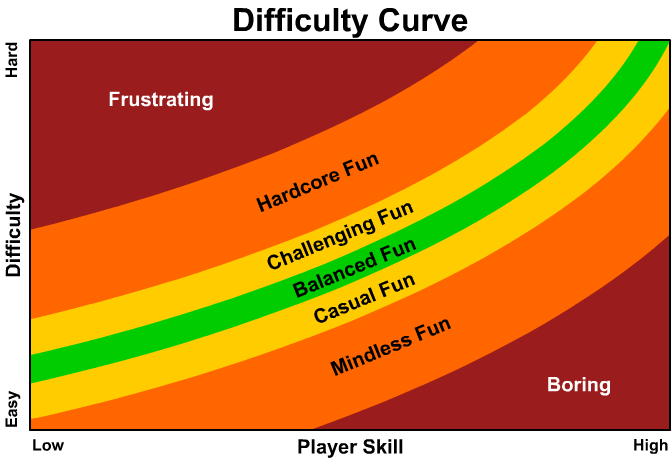
Game difficulty is a fundamental aspect of video game design that significantly influences player experience. It encompasses the challenges presented to players, shaping their engagement and satisfaction. A well-balanced game offers a fair challenge that allows players to develop their skills and enjoy the journey, while an unbalanced game may frustrate or alienate them. Readability in gameplay plays a crucial role in how players perceive difficulty. It refers to how easily players can understand game mechanics and the actions of enemies. High readability enhances player agency, allowing them to make informed decisions based on their understanding of the game. Games like Dark Souls and Sekiro: Shadows Die Twice serve as prime examples, illustrating how a balance of challenge and player agency creates compelling gameplay experiences.
Understanding Readability in Games
Readability in games is about clear communication and the player’s ability to interpret in-game signals effectively. When enemies display distinct attack patterns or visual cues, players can engage more meaningfully. For instance, a well-timed audio cue can alert players to incoming danger, enhancing their responsiveness during intense encounters. Successful games often incorporate visual and audio signals that guide players, allowing them to anticipate challenges. On the other hand, games lacking these elements can lead to confusion and frustration. By comparing titles that excel in readability, such as Dark Souls, with those that struggle, we can better appreciate the impact of design choices on player engagement and satisfaction.
The Mechanics of Balance
Balanced gameplay mechanics are essential for a rewarding gaming experience. Critical elements include hitboxes, enemy patterns, and player actions, all of which must work harmoniously. Gradual introduction of game mechanics allows players to adapt, ensuring they aren’t overwhelmed too quickly. Consistent design across difficulty levels further contributes to balance. For instance, in Dark Souls, enemy behaviors remain predictable, allowing players to strategize effectively. The game’s mechanics reward skill and knowledge, creating a sense of accomplishment. By examining these elements, we can see how thoughtful design fosters a balanced and engaging experience for players.
Feedback Loops: Learning from Failure
Feedback loops are vital in gameplay, providing players with essential information about their performance. Clear feedback on player actions encourages improvement and fosters a sense of progression. The distinction between punitive and constructive failure is crucial; while the former may discourage players, the latter motivates them to try again. Games that effectively implement feedback, such as Sekiro, allow players to learn from their mistakes without feeling defeated. This approach enhances long-term engagement, as players are more likely to invest time in a game that encourages growth. By illustrating how feedback mechanisms impact player experience, we can appreciate their role in creating satisfying gameplay.
Player Agency and Strategy
Player agency refers to the choices and strategies available to players, directly impacting their perceived difficulty. In challenging games, the range of strategies can vary widely. For instance, character builds and skill mastery can significantly influence success, allowing players to tailor their approach to suit their playstyle. Comparing player agency in Sekiro with traditional RPG mechanics reveals how agency can affect gameplay satisfaction. In Sekiro, players must master timing and precision, leading to a more immersive experience. The satisfaction derived from overcoming difficult challenges through skillful play is a testament to the importance of player agency in crafting engaging gameplay.
The Challenge vs. Punishment Dichotomy
Understanding the difference between challenge and excessive punishment is crucial in game design. While challenge motivates players to improve, excessive punishment can lead to frustration and disengagement. Games that fail to provide clear avenues for improvement often feel unfair, diminishing the player’s experience. Allowing players to adapt strategies in response to challenges is essential for maintaining engagement. Titles that cross into punishing territory often alienate players, leading to negative perceptions of difficulty. By analyzing games that struggle with this balance, we can better understand the importance of crafting experiences that maintain a sense of accomplishment while presenting a fair challenge.
Community Support and Resource Accessibility
The role of community in enhancing player experience cannot be overstated. Community-generated guides and shared knowledge significantly improve gameplay by providing players with strategies and tips. This communal effort helps bridge skill gaps, making challenging games more accessible. In communities surrounding titles like Dark Souls and Sekiro, engagement fosters a culture of support and learning. Players share experiences and strategies, enhancing overall enjoyment. The impact of community resources emphasizes the importance of collective knowledge in navigating difficult gameplay and improving player experiences.
Conclusion: The Fine Line of Game Design
In conclusion, the balance of challenge in video games is a delicate interplay of various elements. Key factors like readability, player agency, and feedback loops define whether a game feels fair or frustrating. Developers must carefully consider these aspects to craft experiences that engage players while maintaining a sense of accomplishment. As the gaming landscape evolves, the focus on player experience and engagement will remain paramount. By understanding and applying these principles, developers can create games that challenge players in meaningful ways, fostering a culture of learning and adaptation. The future of game design lies in mastering this balance to ensure that players continue to find joy in overcoming challenges.