The Landscape of Seed and Angel Investing in New York City
Startups in New York City face a unique funding landscape, characterized by a diverse array of angel investors and venture capital firms. This blog post aims to explore the key players, funding stages, and insights into the current investment environment in NYC.
The Role of Angel Investors
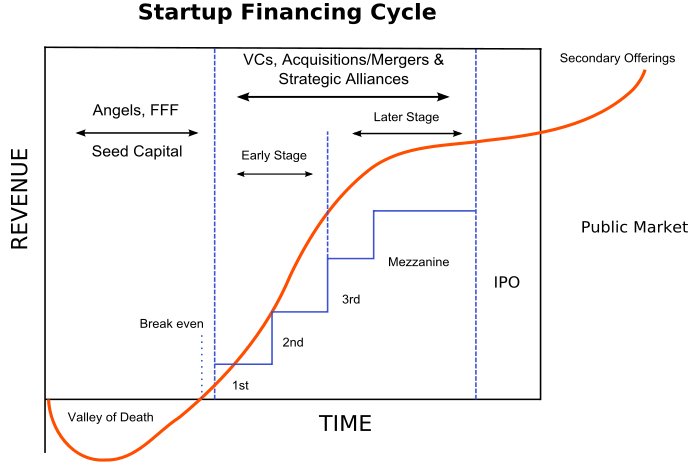
Angel investors are instrumental in the startup ecosystem, often providing the initial funding that helps companies gain traction and begin their journey. Unlike venture capital firms, angel investors typically invest their own money, which allows them to take more risks on early-stage companies. In 2020, angel investments surpassed $24 billion, underscoring their significance in financing startups. Many founders mistakenly believe that venture capital is the only viable option for funding; however, angel funding can often be more accessible and flexible. Angel investors not only provide capital but also bring invaluable experience and networks that can be crucial for a startup’s growth. They often act as mentors or advisors, helping founders navigate the early stages of their business. Additionally, the relationship between a startup and its angel investors can foster a supportive environment that encourages innovation and creativity. For entrepreneurs in NYC, understanding how to effectively pitch to and engage with angel investors can open doors to vital resources and opportunities.
Overview of Seed Stage Investors
Seed stage investors are essential for early-stage startups, providing the necessary capital to help them grow and develop their products. In New York City, notable firms such as Union Square Ventures, Lerer Hippeau, and First Round Capital are prominent players in this space, each with a unique investment strategy and focus. These investors typically seek innovative companies with strong growth potential and scalability. The average seed funding round in NYC ranges from $500,000 to $2 million, which enables startups to build a solid foundation for future growth. Beyond just providing capital, seed stage investors often contribute strategic advice and valuable connections within the industry. Startups that align their visions with the investment philosophies of these firms are more likely to secure funding. Therefore, understanding the specific interests and backgrounds of potential investors can enhance the chances of success in the seed fundraising process.
Pre-Seed Funding Dynamics
Pre-seed funding is a critical phase for startups as they develop their initial ideas and concepts. In this early stage, firms like KAYWEB Angels are emerging as key players, often offering development services in exchange for equity. This phase typically involves smaller amounts of investment, generally ranging from $50,000 to $500,000, which are crucial for product development and initial market validation. Founders seeking pre-seed funding should be prepared to articulate their vision clearly and demonstrate the potential for their ideas to evolve into viable businesses. This often involves creating a minimum viable product (MVP) and gathering early user feedback to validate their hypotheses. By showcasing a strong understanding of the market need and a clear pathway to growth, entrepreneurs can significantly improve their chances of securing pre-seed funding. Establishing relationships with early-stage investors and mentors can further enhance their prospects.
Thematic Focus of Seed Investors
Many seed stage investors have specific thematic focuses, such as technology sectors like fintech or artificial intelligence. This targeted approach allows them to leverage their expertise and extensive networks more effectively. For instance, Seedcamp specializes in fintech investments, while Homebrew concentrates on data and AI startups. Startups aligning with these themes often find it easier to secure funding, as investors are more inclined to back ventures that resonate with their interests and expertise. Understanding the thematic preferences of potential investors can be a game-changer for entrepreneurs. By tailoring pitches to highlight how their solutions fit into the investor’s focus area, startups can enhance their appeal. Networking within these thematic circles and attending industry-specific events can also increase visibility and opportunities for funding.
The Importance of Traction and Market Need
One of the primary reasons startups face rejection from venture capital firms is the lack of demonstrated market need or traction. Investors increasingly look for startups that can showcase a clear product-market fit. This highlights the importance of having a well-defined business model and tangible evidence of demand before seeking funding. Founders should prioritize building traction through early user engagement, feedback collection, and iterative product development. Metrics such as user growth, engagement rates, and revenue can provide compelling evidence of market need. Additionally, conducting thorough market research to understand user pain points and preferences can help entrepreneurs refine their offerings to meet actual demands. By demonstrating traction, startups can significantly improve their odds of attracting investment from both angel and seed stage investors.
Navigating the Funding Journey
Securing funding is often a lengthy process, typically taking 3 to 6 months for successful startups. Founders need to be prepared for multiple rounds of funding, as many companies go through several seed rounds before they can reach Series A funding. Understanding the funding timeline and what investors expect at each stage can greatly enhance a startup’s chances of success. Entrepreneurs should create a comprehensive fundraising strategy, outlining their funding needs, timelines, and the milestones they aim to achieve at each stage. This preparation not only helps in communicating effectively with potential investors but also builds credibility. Furthermore, being transparent about the use of funds and expected outcomes can foster trust and attract more supportive investors. Networking with other founders who have navigated this journey can also provide invaluable insights and tips.
The Impact of Funding on Startup Growth
Funding plays a pivotal role in a startup’s growth trajectory. With sufficient capital, startups can hire key personnel, expand their market reach, and enhance their product offerings. The impact of funding is not limited to financial resources; it also includes the strategic guidance and mentorship that investors often provide. Building strong relationships with investors can lead to valuable insights, networking opportunities, and potential partnerships. Investors who are genuinely interested in a startup’s success can offer advice based on their experiences, helping entrepreneurs avoid common pitfalls. As startups grow, maintaining open lines of communication with investors can ensure alignment and foster long-term relationships that support ongoing growth.
The Future of Angel and Seed Investing
As the startup landscape continues to evolve, so too will the strategies of angel and seed investors. The rise of new technologies and changing market dynamics are expected to influence investment trends significantly. Investors will increasingly seek innovative solutions and disruptive ideas that address real-world problems. Startups that can adapt to these changes and present compelling value propositions will have a better chance of attracting funding. Furthermore, as social responsibility becomes more paramount, investors may also prioritize startups that align with ethical practices and sustainability. Keeping an eye on emerging trends, such as remote work technologies or health tech innovations, can help entrepreneurs position themselves effectively in a competitive market.
Conclusion
Navigating the funding landscape in New York City requires a clear understanding of the roles of various investors and the dynamics of different funding stages. By leveraging the insights shared in this post, founders can enhance their chances of success and build sustainable businesses in a competitive environment. Understanding the unique characteristics of angel and seed investing in NYC is crucial for entrepreneurs looking to thrive in this vibrant ecosystem.