The Journey of a Cricket Fan: From Ignorance to Passion
The Spark of Interest
Cricket often begins as a mere background noise in many households, particularly for those who aren’t initially drawn to the sport. For countless fans, it’s a familial influence—perhaps a parent or grandparent—who ignites that first spark of curiosity. Personal connections play a crucial role in transforming indifference into a passionate engagement with cricket. Many fans recall their childhood memories of watching matches with family, where the excitement of a close game or a pivotal moment created a shared experience that drew them in. These moments are often triggered by significant tournaments or high-stakes matches. The thrill of a nail-biting finish or witnessing a spectacular performance can captivate even the most indifferent viewers. As they find themselves caught up in the energy of the crowd or the tension of the game, a dormant interest may awaken, leading them down a path of exploration into the rich world of cricket. This transition from passive observer to engaged fan is a common narrative, often filled with anecdotes of unforgettable matches that serve as the turning point in their cricketing journey.
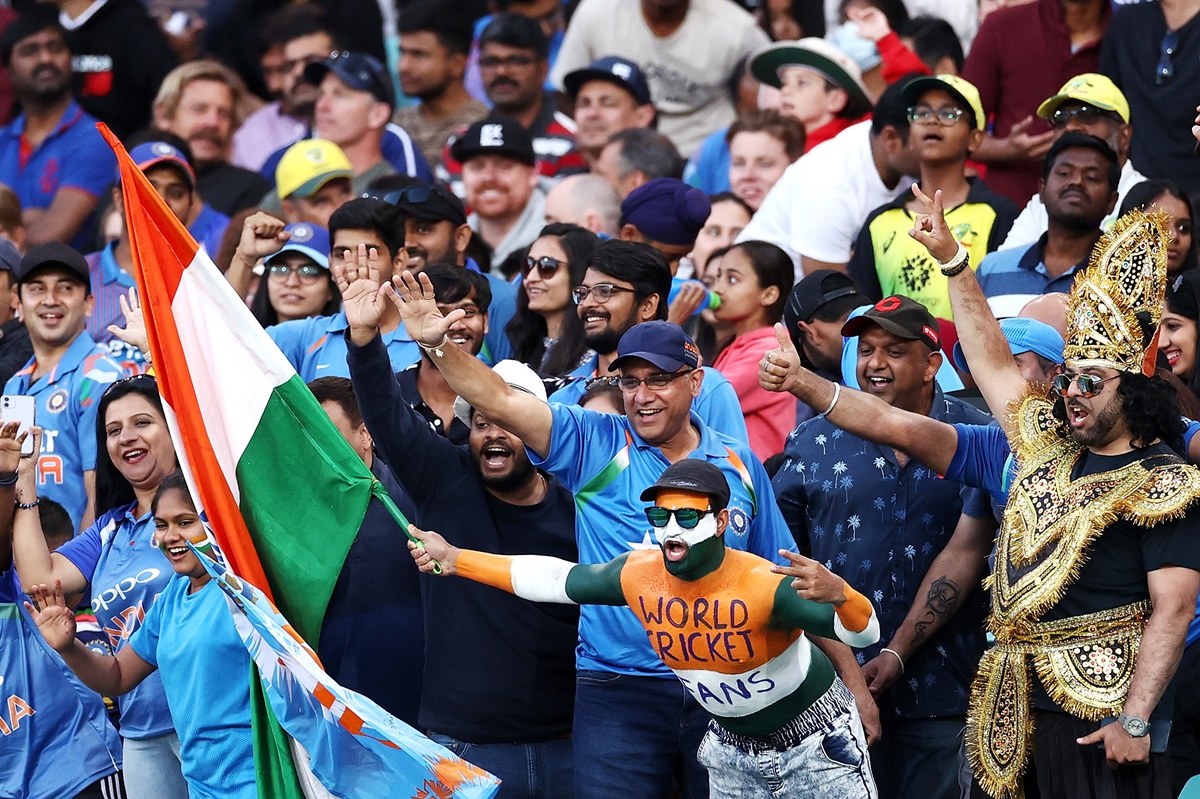
The 2003 World Cup: A Defining Moment
The 2003 Cricket World Cup stands out as a pivotal milestone for many cricket fans across the globe. The tournament was marked by an electric atmosphere and unforgettable performances, particularly by icons like Ricky Ponting and Sachin Tendulkar. For many, this World Cup was a turning point that changed their perception of cricket from a casual pastime to an engaging passion. Witnessing high-stakes matches, filled with tension and excitement, has the power to convert casual viewers into dedicated fans. The stunning display of skills, moments of brilliance, and the rollercoaster of emotions that each match provides create a deep emotional connection to the sport. For those who tuned in, the World Cup became more than just games; it was an experience that united fans in their joy and despair. The unforgettable moments, such as last-minute wins and surprising upsets, resonate long after the tournament ends, solidifying the bond fans develop with cricket.
The Influence of Icons: Sachin Tendulkar
No discussion of cricket can overlook the profound impact of Sachin Tendulkar, often revered as a deity in the cricketing universe. His career has inspired countless aspiring fans, many of whom remember their first encounter with his extraordinary batting style. Tendulkar’s dedication, skill, and ability to handle immense pressure resonate deeply with fans, making him a symbol of hope and perseverance. His performances on the field are not just about runs scored; they reflect a larger narrative of determination and resilience. For many fans, watching Tendulkar bat was more than just witnessing a game; it was about experiencing the passion and dedication he brought to cricket. His journey from a young prodigy to the “Master Blaster” is a source of inspiration, fueling a lifelong commitment to following the sport. As fans recount their experiences, it becomes evident that Tendulkar’s influence extends beyond the boundary, shaping their understanding of cricket and igniting a passion that lasts a lifetime.
The Evolution of Interest: From Cartoons to Cricket
The journey from childhood pastimes to an appreciation for cricket illustrates significant personal growth. Many fans initially express reluctance to engage with cricket, preferring the simplicity of cartoons and other childhood entertainments. However, over time, exposure to thrilling matches, coupled with learning the rules of the game, leads to a newfound appreciation for cricket’s complexities. This evolution often mirrors broader life experiences, as fans transition from the whimsical innocence of youth to the nuanced understanding of adult interests. The thrill of a well-fought match and the strategic layers of the game can transform cricket from a mere sport into a vital part of social identity. As fans share their stories, it becomes clear that this transformation not only enriches their lives but also fosters deeper social connections with others who share their passion for the game.
The Role of Major Tournaments: 2011 World Cup
The 2011 Cricket World Cup is another significant event that shaped the landscape of cricket fandom, particularly in India. The tournament captured the nation’s collective attention, with matches that were both thrilling and memorable. The excitement surrounding India’s journey to the final and the ultimate victory resonated deeply with fans, creating a sense of unity and national pride. Major tournaments like the World Cup serve as catalysts for fan engagement, bringing together people from diverse backgrounds in a shared celebration of cricket. The thrill of watching India chase down targets and the joy of witnessing the team’s success became a source of collective ecstasy. These experiences transcend individual fandom, creating a narrative that encapsulates the essence of being a cricket fan. For many, the 2011 World Cup not only solidified their love for the game but also became a cherished memory that they carry with them through life.
The Social Aspect of Cricket: Building Bonds
Cricket transcends the realm of sport; it serves as a social glue that fosters friendships and community bonds. Many fans describe how their shared love for cricket has helped them connect with peers, forming lasting relationships built on mutual interests. The communal experience of watching matches, discussing strategies, and celebrating victories creates a vibrant social network that enriches the lives of fans. This social aspect of cricket is particularly significant, as it transcends cultural and linguistic barriers, uniting people under a common passion. The camaraderie built around cricket discussions—whether in person or online—enhances the overall experience of being a fan. These interactions not only reinforce emotional ties to the sport but also cultivate a sense of belonging and community among fans. Ultimately, cricket becomes more than just a game; it evolves into a shared language that fosters understanding and connection across diverse backgrounds.
Learning Through Cricket: Mathematical Insights
For many fans, cricket offers a unique opportunity to explore mathematical concepts in a practical and engaging manner. Understanding run rates, averages, and statistics enhances analytical skills, transforming what may seem like mundane subjects into exciting topics of discussion. The process of calculating scores and analyzing individual performances adds depth and dimension to the viewing experience. As fans delve deeper into the statistics behind the game, they often find themselves developing a love for math that extends beyond cricket. The excitement of dissecting a player’s performance or evaluating the odds of winning a match fosters critical thinking and problem-solving skills. This educational aspect of cricket not only enriches the fan experience but also encourages a broader appreciation for the mathematical principles that underpin the sport.
Conclusion: The Lifelong Journey of a Cricket Fan
The journey of becoming a cricket fan is rich with memorable experiences, influential players, and profound personal growth. Reflecting on this evolution reveals the emotional and social dimensions that make cricket a cherished part of many lives. From the shared experiences during monumental matches to the iconic moments that resonate through time, fans cultivate a lifelong bond with the sport. As fans continue to engage with cricket, the cycle of inspiration and connection persists. The joy of watching a thrilling game, the camaraderie built around discussions, and the personal growth experienced through this journey ensure that cricket remains more than just a sport; it becomes an integral part of life’s narrative. In essence, the journey of a cricket fan is a testament to the power of sport to inspire, connect, and enrich lives.