The Italian Heritage of Mario: A Cultural Exploration
Introduction to Mario
Mario, the beloved character from Nintendo, is more than just a fixture in the gaming world; he is a cultural icon. Created by Shigeru Miyamoto in the 1980s, Mario first appeared in the arcade game Donkey Kong. Since then, he has evolved into a symbol of video gaming culture, embodying the spirit of adventure, resilience, and humor. As a plumber from Brooklyn, Mario’s Italian-American persona has resonated with audiences globally, making him a relatable figure for many. His adventures, from rescuing Princess Peach to racing in Mario Kart, have solidified his place in the hearts of fans across generations. This exploration will delve into the rich Italian heritage that shapes Mario, examining how his character reflects broader cultural narratives.
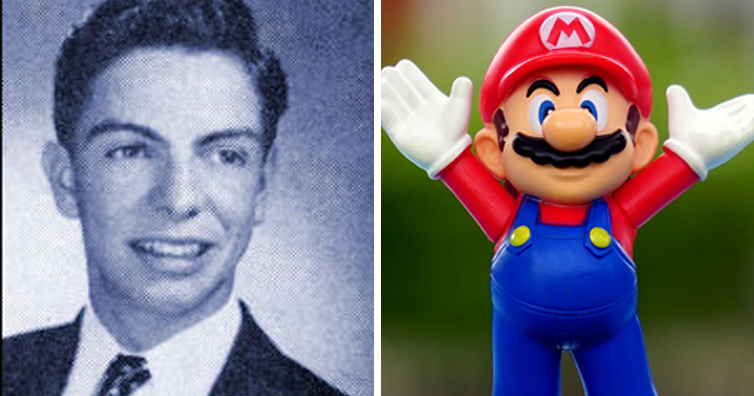
The Origins of Mario’s Name
The name “Mario” has intriguing Latin roots, deriving from the Roman name Marius, which means “male.” This historical context adds depth to Mario’s character, linking him to notable figures such as Gaius Marius, a military leader and reformer in ancient Rome. The choice of name also reflects Mario’s character traits—strong, courageous, and inherently relatable. Naming in cultural contexts often carries significant weight, and in Mario’s case, it enhances his identity as a quintessential everyman hero. Furthermore, the name “Mario” embodies a blend of Italian heritage and American culture, symbolizing the melting pot that is the United States. Through this lens, one can appreciate how Mario’s name not only signifies his character but also resonates with themes of identity and representation in gaming.
The Italian Accent: Stereotypes and Realities
Mario’s voice, marked by a distinctive Italian accent, has sparked discussions around cultural representation within the gaming community. Voiced by Charles Martinet since the character’s inception, Mario’s accent was designed to be humorous and entertaining, appealing to a wide audience while remaining relatable. However, this portrayal also raises questions about stereotypes associated with Italian culture. The accent, while exaggerated for comedic effect, contrasts sharply with the rich and diverse linguistic characteristics of the Italian language. In examining Mario’s voice, one must consider the balance between cultural homage and the risk of perpetuating stereotypes. This duality prompts a broader conversation about representation in media and the responsibilities of creators in portraying cultural identities authentically.
The Influence of Italian-American Culture
Mario serves as a representation of Italian-American culture, despite being the brainchild of Japanese game designers. His character embodies certain traits often associated with Italian-Americans, such as a strong sense of family, loyalty, and a love for food—evident in his frequent pizza references. While some Italian-Americans appreciate this portrayal as a celebration of their culture, others argue that it oversimplifies their rich heritage. This section will explore how Mario reflects these cultural traits and how they are perceived by both Italian-Americans and global audiences. The implications of cultural stereotypes in gaming are significant, as they can shape perceptions and attitudes towards a community. By unpacking Mario’s cultural influence, we gain insight into how gaming can both reflect and shape societal narratives.
The Role of Charles Martinet
Charles Martinet’s contribution as the voice of Mario has been pivotal in defining the character’s persona. Martinet’s unique improvisational style brought a playful energy to Mario, turning simple phrases into iconic catchphrases like “It’s-a me, Mario!” His background in theater and voice acting allowed him to infuse personality into the character, making Mario relatable to players of all ages. Martinet’s portrayal has evolved over the years, adapting to new games and contexts while maintaining the essence of Mario. This section will highlight Martinet’s creative process and how his personal experiences shaped his portrayal of the character. By understanding Martinet’s influence, we can appreciate the depth behind Mario’s voice and its impact on the franchise’s success.
Mario’s Evolution Over Time
Since his debut, Mario has undergone significant transformations in both design and personality. Initially depicted as a simple pixelated character, Mario has evolved alongside technological advancements in gaming. From the 8-bit graphics of the early Super Mario Bros. to the stunning 3D worlds of Super Mario Odyssey, each iteration reflects changes in gaming trends and player expectations. Additionally, Mario’s personality has developed, showcasing a range of emotions and interactions that resonate with players on a deeper level. This evolution not only mirrors advancements in game design but also highlights the character’s adaptability to contemporary themes. By examining Mario’s journey through various titles, we can better understand how characters in video games evolve to meet the changing landscape of the industry and player preferences.
Cultural Impact and Legacy
Mario’s influence extends far beyond the realm of gaming; he has become a global cultural icon recognized in various media. His image appears on merchandise, in films, and across a multitude of fan communities, solidifying his status as a household name. The character has inspired countless references in pop culture, from television shows to music, showcasing his widespread appeal. Moreover, Mario has played a crucial role in shaping the gaming industry, influencing game design, narrative structures, and character development. This section will explore Mario’s far-reaching impact, illustrating how he has not only defined a genre but also contributed to the evolution of entertainment as a whole. Understanding Mario’s legacy allows us to appreciate the broader implications of gaming as a cultural force.
Conclusion: Mario as a Global Symbol
In conclusion, Mario’s journey from a simple game character to a global ambassador of gaming culture is a testament to his enduring appeal. His Italian heritage, voice, and cultural significance illustrate the complexities of representation in media. As we reflect on Mario’s evolution, it becomes clear that he embodies a bridge between cultures, blending Italian-American traits with Japanese design philosophy. This exploration has highlighted key points about cultural representation, the role of voice acting, and the impact of gaming on society. Mario’s legacy as a beloved character serves as a reminder of the power of storytelling in bridging cultural divides and fostering understanding through entertainment.
Further Reading and Resources
For those interested in delving deeper into Mario’s history and cultural significance, there are numerous resources available. You can explore the origins of Mario and his impact on gaming culture through the Mario series on Wikipedia. Additionally, insights into Charles Martinet’s work can be found in various interviews and articles detailing his contributions to the franchise. Engaging with these resources will enhance your understanding of Mario’s role not only as a character but as a cultural phenomenon, prompting further discussions about representation in the gaming industry.