Resilience Through Trauma: A Journey of Healing and Hope
On New Year’s morning 2015, a knock at the door brought life-altering news. Two police officers delivered the devastating message that her son had been in a serious car accident. Initially, the phrase “a little banged up” provided a false sense of reassurance. However, the reality at the hospital revealed a horrifying scene. The shock of seeing her son in critical condition marked the beginning of a long and painful journey, one that would challenge the very fabric of her family’s existence.
The Unthinkable Knock
The moment the officers arrived marked a shift from normalcy to chaos. This situation is, unfortunately, a reality for many families facing sudden trauma. The impact of such an event can leave anyone feeling helpless, lost, and overwhelmed. The psychological toll of receiving sudden and distressing news is profound, often leading to feelings of disbelief and denial. For many, this moment serves as a catalyst for a deeper understanding of resilience. When faced with trauma, it’s essential to process emotions constructively. Techniques such as mindfulness and deep breathing can help ground individuals in moments of crisis. Creating a support system—whether through friends, family, or professional services—can provide a crucial lifeline during such tumultuous times. It’s important to recognize that seeking help is a sign of strength, not weakness.
The Severity of Injuries
The list of injuries sustained by her son was extensive and unimaginable. From a broken jaw to shattered bones, the extent of his trauma was overwhelming. Medical professionals struggled to stabilize him, facing complications due to his body temperature being dangerously low. The family grappled with the realization that recovery would involve significant surgeries and rehabilitation. Each injury underscored the fragility of life and the long road ahead. In situations like this, understanding the medical processes involved can be incredibly beneficial. Familiarizing oneself with medical terminology and treatment options can alleviate some anxiety and empower families to advocate effectively for their loved ones. Resources like the American Medical Association offer valuable information on navigating healthcare challenges. Maintaining open communication with medical staff is vital. Families should feel encouraged to ask questions and seek clarification about procedures and prognosis. This engagement can foster a sense of control, even in a situation that feels overwhelmingly uncertain.
The Struggles of a Parent
As a mother, witnessing her son’s suffering was a nightmare that seemed endless. She remained strong for her children while battling her own emotions. The guilt of not being there when her son needed her the most weighed heavily on her heart. Daily visits to the ICU became a painful routine filled with uncertainty and fear. Her resilience was tested as she balanced caring for her son and her daughters. The emotional strain on caregivers is often overlooked. It’s essential for parents and family members to prioritize their mental health during such crises. Techniques such as journaling can serve as a therapeutic outlet, allowing individuals to process their thoughts and feelings. Additionally, support groups can provide a safe space to share experiences and learn from others facing similar challenges. Establishing self-care routines is crucial. Taking time for small acts of kindness toward oneself—whether it’s enjoying a quiet moment, engaging in a favorite hobby, or seeking professional counseling—can replenish emotional reserves and foster resilience.
The Road to Recovery
Months passed with her son enduring surgeries, ICU stays, and physical therapy. The family faced setbacks, including the realization that some injuries would heal improperly. The transition from a hospital bed to a wheelchair and eventually to walking again was a testament to his determination. The emotional toll on both mother and son was immense as they navigated the complex recovery process. Despite the challenges, they found moments of hope and healing. Recovery is rarely a linear process. Understanding that setbacks are part of the healing journey can help families maintain a positive outlook. Celebrating small victories—like a successful physical therapy session or the ability to take a few steps—can reinforce motivation and hope. Engaging in physical therapy and rehabilitation not only aids in physical recovery but also fosters mental resilience. Activities that promote movement can release endorphins, contributing to a more positive emotional state. Families should be encouraged to explore various rehabilitation options, including occupational therapy and support from physical trainers.
The Impact of Trauma
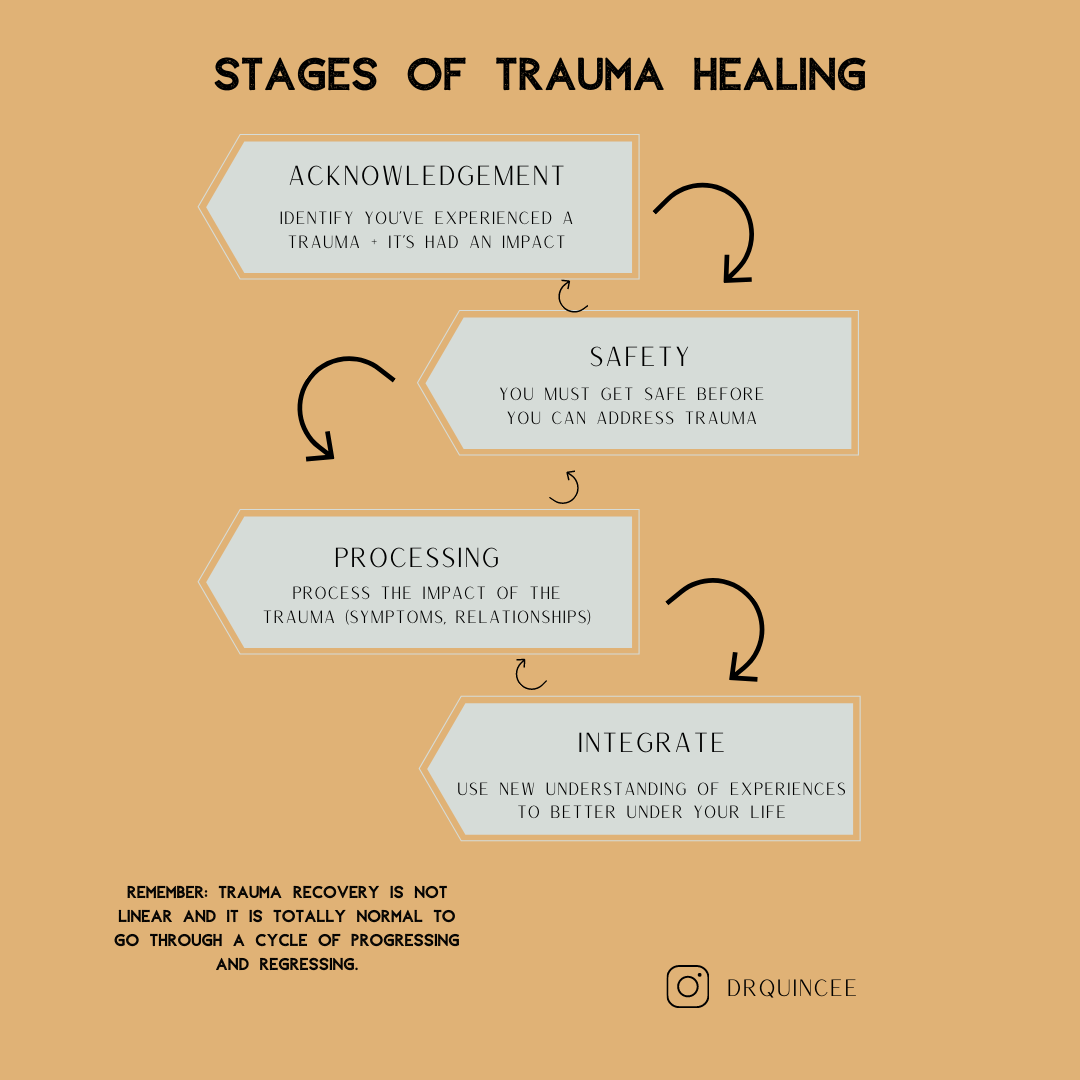
The aftermath of the accident left lasting scars, both physically and emotionally. Her son dealt with PTSD, affecting his daily life and interactions. The mother’s heartache lingered as she replayed the events leading up to the accident. They both learned that healing is not linear and that some days would be harder than others. Their relationship deepened as they supported each other through the pain of their shared experience. Recognizing the signs of PTSD is crucial for families navigating post-trauma recovery. Symptoms can include flashbacks, anxiety, and difficulty concentrating. It’s essential for families to seek professional help when needed. Therapists specializing in trauma can provide tools and coping strategies to help individuals process their experiences. Moreover, promoting open communication about feelings can foster a supportive environment. Family discussions that normalize the expression of emotions can strengthen bonds and encourage healing.
Lessons on Life and Choices
Reflecting on the accident, the mother emphasized the importance of making wise choices, especially regarding alcohol and driving. She shared her struggles with the fear of allowing her daughters to drive, knowing firsthand the potential consequences of reckless decisions. The story serves as a cautionary tale about the ripple effects of one night of poor judgment. They found purpose in sharing their story to raise awareness about the dangers of drinking and driving. Education around safe driving practices is vital. Families can benefit from discussing the risks associated with impaired driving and the importance of making responsible choices. Resources such as MADD provide educational materials and support for those affected by drunk driving incidents. Creating an open dialogue about these topics can empower young drivers to make informed choices. Engaging in community programs that promote safe driving can also foster a collective sense of responsibility.
Finding Strength in Adversity
The journey through trauma taught them valuable lessons about resilience and strength. They learned to appreciate the small victories and the support of loved ones. The bond between mother and son grew stronger as they faced hardships together. They discovered that vulnerability can lead to healing and a deeper understanding of one another. The experience forged a new narrative of hope, emphasizing the power of perseverance. Resilience is not just about bouncing back; it’s about growing through adversity. Families can cultivate resilience by fostering a growth mindset—viewing challenges as opportunities for growth rather than insurmountable obstacles. Engaging in practices like gratitude journaling can help shift focus from what’s lost to what’s gained. Encouraging open conversations about feelings can enhance familial bonds. Sharing experiences and emotions can lead to greater empathy and understanding among family members, reinforcing the idea that they are not alone in their struggles.
The Path Forward
As they continue to heal, the family focuses on rebuilding their lives and finding joy in everyday moments. They advocate for mental health awareness and support for families dealing with trauma. The mother reflects on her journey, recognizing that while scars remain, they also symbolize survival and growth. They approach the future with cautious optimism, knowing that healing takes time. Their story inspires others to embrace resilience in the face of adversity. Advocacy plays a crucial role in recovery. Families can engage in community outreach, sharing their experiences to raise awareness about trauma and mental health. Participating in local events and initiatives can foster connections with others who have faced similar challenges. Creating a family mission statement that highlights values like resilience, love, and support can guide families as they navigate the complexities of healing.
A Message of Hope
In closing, the mother urges readers to cherish their loved ones and communicate openly. She emphasizes the fragility of life and the importance of seizing each moment. By sharing their story, they hope to inspire others to make safe choices and support those in need. Their journey serves as a reminder that healing is possible and that love and hope can prevail even in the darkest times. Hope is a powerful motivator. Families can cultivate a hopeful outlook by setting achievable goals and celebrating accomplishments—no matter how small. Engaging in activities that promote joy and connection can also foster a sense of community and belonging. Encouraging others to share their stories can create a ripple effect of hope and resilience. By embracing vulnerability and fostering dialogue, families can inspire others to navigate their own journeys through trauma with courage and strength.